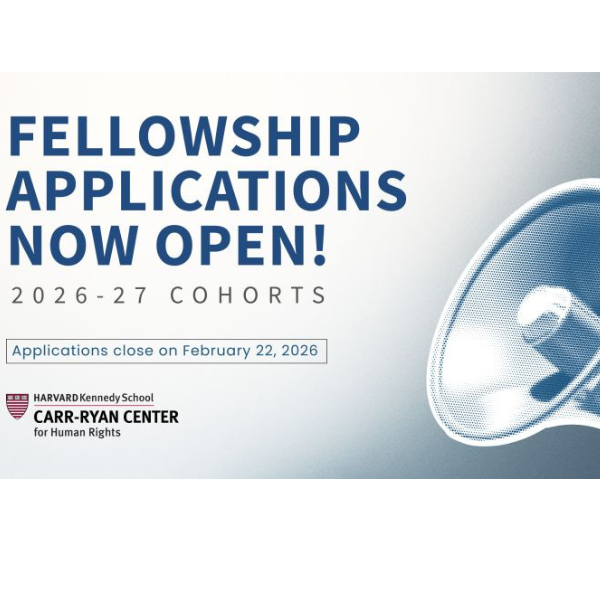
The Harvard Kennedy School Carr-Ryan Center Fellowships 2026–2027 open the door to one of the world’s most respected human rights learning environments. Because these fellowships bring together scholars, practitioners, and advocates, they create a powerful space where global ideas grow into real solutions.
Why These Fellowships Matter Globally
The Carr-Ryan Center plays a major role in advancing conversations around human rights, racial justice, and the rapidly evolving relationship between technology and society. Since the world faces new ethical challenges each day, the Center invites experts to collaborate, research, and offer practical insights.
Types of Carr-Ryan Center Fellowships Available
Carr-Ryan Center Fellowship (Unpaid, Non-Residential)
This track allows human rights scholars and practitioners to join Harvard’s intellectual community without relocating.
Human Rights Fellowship
Participants commit to a year of policy-relevant research and ongoing peer collaboration.
Racial Justice Fellowship ($10,000 Stipend)
This is the only funded fellowship, designed for experts advancing racial and economic equity.
Technology & Human Rights Fellowship
This program explores how digital systems like AI and surveillance shape human rights protections.
Detailed Overview of Each Fellowship
Fellowship Objectives
Each fellowship focuses on research that strengthens justice, human rights, and technology ethics. Fellows also participate in seminars, work with faculty, and share their findings with global audiences.
Duration and Expectations
All programs run for one academic year. Fellows attend virtual meetings, join public events, and contribute research outputs.
Residential and Non-Residential Options
Most fellowships operate remotely, with limited access to office space at Harvard. However, the Tech & Human Rights Fellowship requires at least one on-campus convening per semester.
Eligibility Criteria and Ideal Candidate Profiles
Required Academic Background
Applicants usually hold postgraduate degrees in fields such as law, human rights, social sciences, technology policy, or racial justice studies.
Professional Experience Needed
Strong research skills, clear writing ability, and demonstrated commitment to justice-oriented work are essential.
Who Should Apply
Ideal candidates include researchers, human rights advocates, NGO leaders, technologists, and scholars looking to deepen their expertise.
Responsibilities and Fellowship Activities
Research and Writing Expectations
Fellows conduct independent research and develop proposals, papers, and analytical pieces.
Seminars, Workshops, and Public Engagement
They join Harvard’s public events, guest lectures, and workshops, contributing fresh perspectives.
Collaboration with Faculty and Fellows
Since collaboration is central, fellows exchange ideas, share drafts, and offer feedback throughout the year.
Funding and Benefits
Stipend Breakdown
Only the Racial Justice Fellowship provides a stipend of $10,000.
Travel Support
Some programs offer limited travel subsidies for on-campus events.
Professional Exposure and Networking
Fellows gain access to Harvard faculty, global thought leaders, and cross-sector professionals.
Required Application Materials
Core Documents
- CV or resume
- Research proposal (up to 3 pages)
- Executive summary (200 words)
Research Proposal Requirements
Your proposal must clearly explain your research question, its global relevance, and alignment with the fellowship track.
Reference and Writing Sample Guidelines
Two references are required. Writing samples should not exceed 10 pages.
Step-by-Step Application Process
How to Submit
Visit each fellowship’s online portal and upload all documents in PDF format.
Important File-Labeling Rules
File names must follow the exact instructions provided in each track.
Deadlines and Review Timeline
Applications close on February 22, 2026, and final selections follow an independent, competitive review.
Why You Should Apply
The Harvard Kennedy School Carr-Ryan Center Fellowships 2026–2027 offer unmatched academic exposure and professional growth. You gain access to world-class mentorship, global networks, and meaningful opportunities to influence policy and human rights conversations.
No. These fellowships do not result in employment at Harvard.
The Harvard Kennedy School Carr-Ryan Center Fellowships 2026–2027 provide an extraordinary platform for global changemakers. Since each fellowship builds deep academic and professional strengths, applying now could shape the future of your research and impact. APPLY
Deadline: February 22, 2026,